How to keep unexamined assumptions from limiting your growth
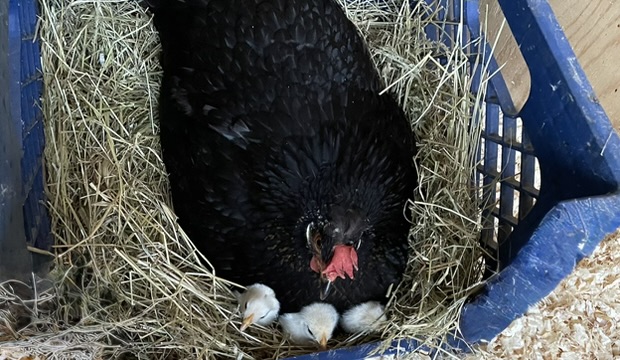
I inherited my Icelandic chickens from my chicken coach. When she started growing her flock, she ordered some eggs from an Icelandic chicken breeder and incubated them at her home. When she gave me some of these chickens and my rooster, she told me not to mix them with any other breeds. While my dream of being a chicken mama had not included limiting myself to Icelandic chickens, I trusted my coach and followed her instructions.
Now, I will say that I’ve been happy with my Icelandic chickens: they are hardy enough to survive our brief, but sometimes intense winter storms, and their hens are known to go broody, making it easy and cheap to grow my flock.
But, in recent years, as my broody hens haven’t been producing enough peeps to augment my flock, I have started to consider expanding another way: by adding some different types of chickens.
This has me reconsidering my whole philosophy of owning hens. If I’m going to get different types of chickens, should I still have a rooster? Why did I get a rooster in the first place? What happens if I have a rooster and various types of chickens? Will I lose my pure Icelandic breed? Does that even matter?
I started to wonder if the guidelines I’d been following when I first started down my chicken mama path might not be serving me anymore.
Like many of us, I’ll sometimes keep moving—making decisions based on a familiar set of beliefs—without ever stopping to ask whether those beliefs are actually helping me… or quietly limiting me.
Now, I know: my decision about keeping a rooster or trying a new type of chicken isn’t exactly life-altering. But the pattern is real. When I look back over my life, I can clearly see moments where I made truly significant decisions while operating under a set of beliefs I never questioned. In hindsight, had I paused long enough to examine those beliefs, the outcome might have been different. Sometimes it might have been better.
That’s the tricky thing about self-limiting beliefs. The biggest challenge isn’t fighting them—it’s not even knowing where they are, even as we unknowingly use them to make decisions. As I learned from Anthony de Mello, awareness has to come before action. You can’t change what you don’t see.
That realization led me to put together the list below—practical ways to help identify self-limiting beliefs before they quietly take the wheel. Here are some clues to listen for and questions to ask yourself as you work to discover your own self-limiting beliefs:
1. Over-Explaining
If you find yourself justifying a decision before anyone asked…
- “I would do this, but…”
- “Now might not be the right time because…”
👉 Over-explaining is often a belief in disguise: I need permission before I’m allowed to choose this.
2. Chronic “Not Yet.”
Self-limiting beliefs love delay.
- “After things settle down…”
- “Once I feel more confident…”
- “When the timing is better…”
👉 Ask: What am I waiting to feel certain about—and is certainty actually required?
3. Over-Preparing
Preparation can quietly become protection.
- Endless research
- One more plan, one more outline, one more scenario
- Feeling “almost ready” for a very long time
👉 Ask: Am I preparing to succeed—or preparing to avoid risk?
4. Strong Emotional Reactions
Big reactions often point to unexamined beliefs.
- Defensiveness
- Frustration that feels disproportionate
- Immediate shutdown or withdrawal
- Feeling “called out” by neutral feedback
👉 Strong emotion ≠ weakness: It’s often a signal that a belief just got poked.
5. Comparison Triggers
Comparison isn’t the problem—the meaning we assign to it is.
- “They’re just more confident than I am.”
- “That works for them, not for someone like me.”
- “They’re further along, so why bother?”
👉 Ask: What am I making their success mean about me?
6. “Same Result, Different Year” Pattern
If outcomes keep repeating, beliefs might be driving the bus.
- Same frustrations
- Same conversations
- Same goals that never quite happen
👉 Ask: What belief would have to be true for this pattern to keep repeating?
7. Absolutes and Labels
Beliefs love certainty.
- “I’m just not good at…”
- “I’ve never been able to…”
- “That’s just who I am.”
👉 Replace labels with facts: I haven’t built that skill yet.
8. You Confuse Comfort with Safety
This one shows up a lot in leaders.
- Choosing what’s familiar over what’s effective
- Avoiding a conversation to “keep the peace.”
- Staying busy to avoid thinking
👉 Ask: Is this actually safer—or just more comfortable?
Self-limiting beliefs aren’t loud. They’re familiar. They sound reasonable, responsible, and mature, which is exactly why they’re worth questioning. If you are up for it, I’d encourage you to take a clarity break to learn what beliefs you are currently holding that are preventing you from growing into the best version of yourself. To help you along, I’ve included a link to a document to get you thinking.
Need help? Reach out to me! I’d love to share with you how this exercise has affected my life.